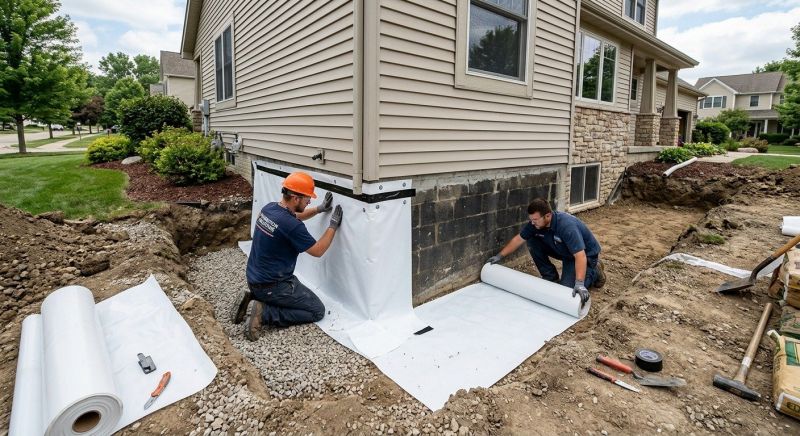
Vapor Barrier Installation in Tampa, FL
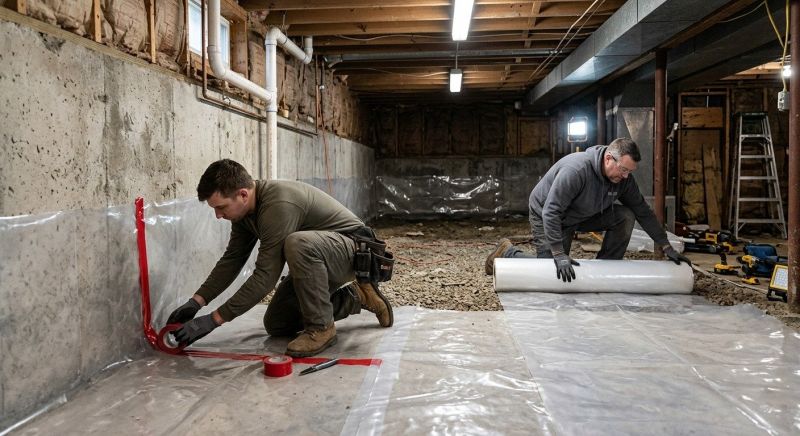
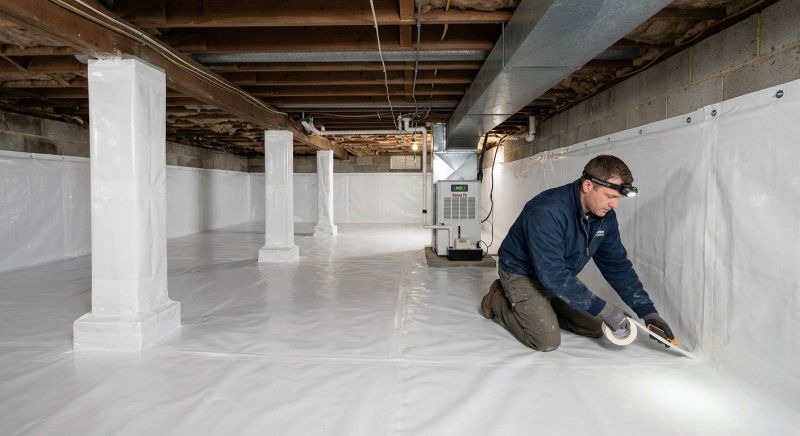
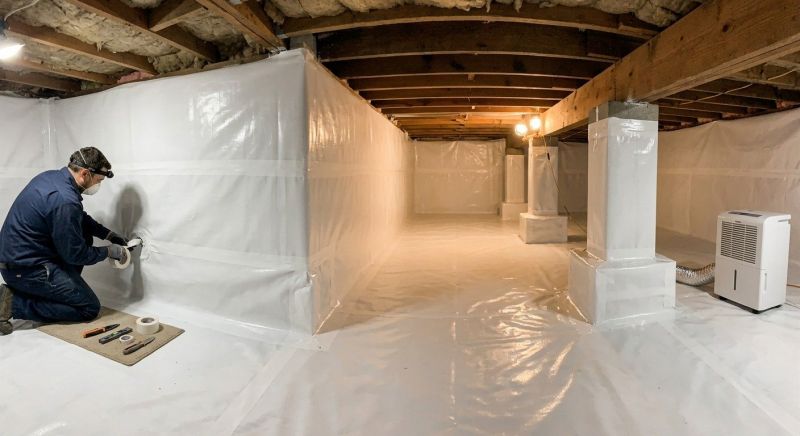
Vapor barrier installation is a service that helps prevent moisture from seeping into building foundations, crawl spaces, basements, and other areas prone to dampness. This process involves placing a durable, moisture-resistant membrane beneath or along the interior surfaces of a property to reduce humidity and prevent mold growth, wood rot, and structural damage. Homeowners often request vapor barrier installation during renovations, new construction projects, or when addressing persistent dampness issues in basements and crawl spaces to improve indoor air quality and protect property value.
Before requesting vapor barrier installation, property owners typically want to understand the scope of the project, including where the barrier will be installed and the types of materials used. It’s also important to consider the existing moisture levels, the condition of the foundation or subfloor, and any additional repairs that may be necessary to ensure the effectiveness of the vapor barrier. Proper installation can help maintain a healthier, more stable environment by controlling moisture levels and preventing long-term damage caused by excess humidity.
Many property owners in Tampa, FL look into Vapor Barrier Installation for repairs, replacements, upgrades, and appearance-related improvements.
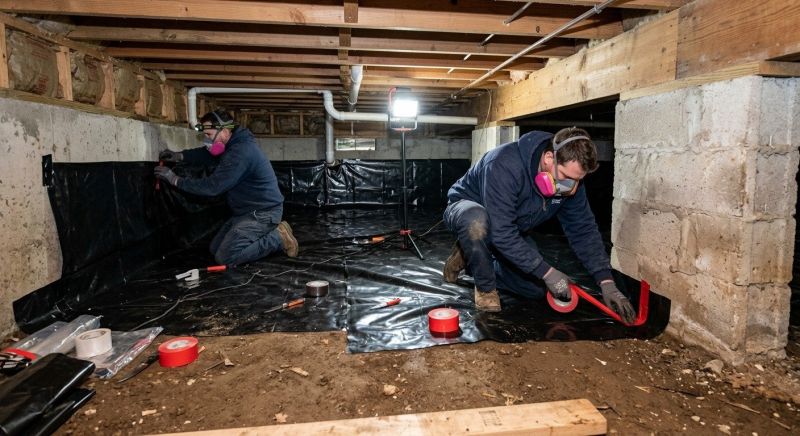
Benefits Of Vapor Barriers
Vapor barriers help prevent moisture buildup in basements and crawl spaces, protecting property value and structural integrity.
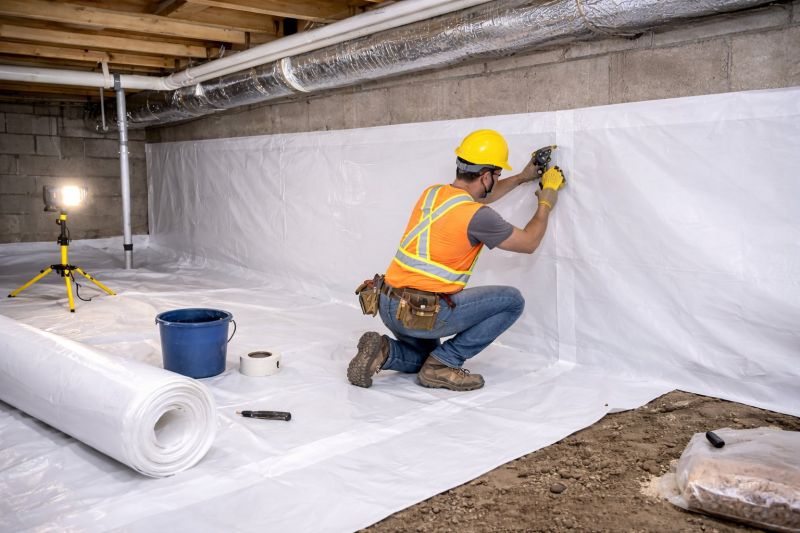
Common Installation Areas
Vapor barriers are often installed in tampa homes beneath concrete slabs, in attics, and around foundation walls to control humidity.
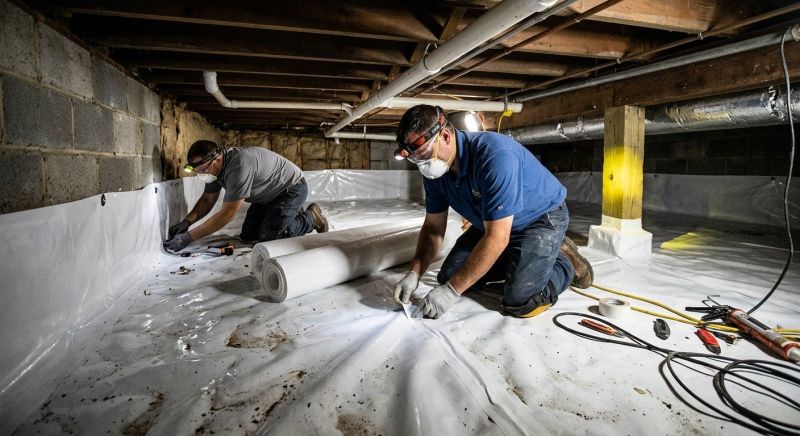
Materials Used For Vapor Barriers
High-quality polyethylene sheets are typically used to create effective vapor barriers that resist tears and provide long-lasting moisture protection.
Vapor Barrier Installation in Tampa, FL

Vapor barrier installation is a service that helps prevent moisture from seeping into building foundations, crawl spaces, basements, and other areas prone to dampness. This process involves placing a durable, moisture-resistant membrane beneath or along the interior surfaces of a property to reduce humidity and prevent mold growth, wood rot, and structural damage. Homeowners often request vapor barrier installation during renovations, new construction projects, or when addressing persistent dampness issues in basements and crawl spaces to improve indoor air quality and protect property value.
Before requesting vapor barrier installation, property owners typically want to understand the scope of the project, including where the barrier will be installed and the types of materials used. It’s also important to consider the existing moisture levels, the condition of the foundation or subfloor, and any additional repairs that may be necessary to ensure the effectiveness of the vapor barrier. Proper installation can help maintain a healthier, more stable environment by controlling moisture levels and preventing long-term damage caused by excess humidity.
Many property owners in Tampa, FL look into Vapor Barrier Installation for repairs, replacements, upgrades, and appearance-related improvements.
Common Vapor Barrier Installation Jobs
Basement Waterproofing - vapor barriers help prevent moisture from seeping into basement spaces.
Crawl Space Encapsulation - installation of vapor barriers reduces humidity and mold growth.
Attic Insulation - vapor barriers protect insulation from moisture damage and improve energy efficiency.
Concrete Slab Sealing - vapor barriers are used to control vapor transmission and protect flooring.
Garage Conversion Projects - vapor barriers help maintain a dry environment in finished garage spaces.
Industrial and Commercial Spaces - vapor barriers are installed to control moisture and protect building structures.
Vapor Barrier Installation Questions
What is a vapor barrier? A vapor barrier is a material installed to prevent moisture from passing through walls, floors, or ceilings, helping to reduce mold and water damage.
Why is vapor barrier installation important? It helps control indoor humidity levels and protects building structures from moisture-related issues, especially in areas prone to dampness.
Where are vapor barriers typically installed? They are commonly installed in crawl spaces, basements, under concrete slabs, and in attics to manage moisture levels effectively.
What materials are used for vapor barriers? Common materials include polyethylene sheets, foil-backed membranes, and other plastic sheeting designed to block moisture transfer.
Request Vapor Barrier Installation in Tampa, FL
Use the quote form on this page to share the basics of your project and request more information for the type of work you need.